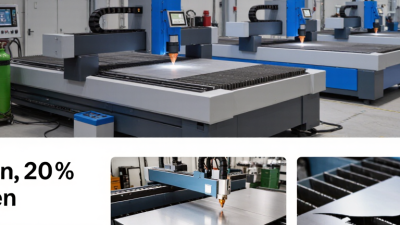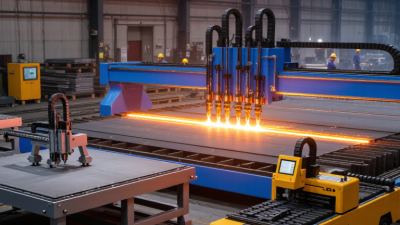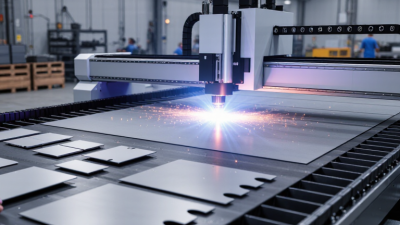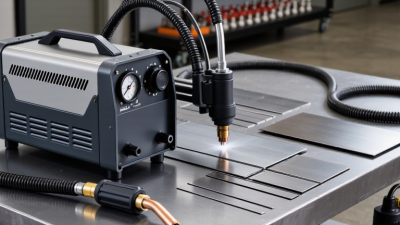
How to Choose a Sheet Metal Plasma Cutter?
Choosing a Sheet Metal Plasma Cutter is not simply a matter of selecting the highest amperage. The right machine must match your metal thickness, cutting frequency, workshop space, power supply, and accuracy expectations. A compact cutter may handle thin steel beautifully, yet struggle with thick stainless plate. A powerful model may perform well, but waste energy during small repair jobs.
Plasma-cutting educator Jim Colt has said, “Plasma cutting is a system, not just a torch.” That point deserves attention. Clean cuts depend on more than the cutter itself. Air pressure, moisture control, consumable condition, travel speed, and grounding all affect the result. A rusty workpiece, a wet compressor line, or a worn electrode can leave rough edges and visible dross. Small details matter.
This guide will examine the practical decisions behind buying a Sheet Metal Plasma Cutter. It will compare amperage ratings, duty cycles, pilot-arc functions, cut capacity, CNC compatibility, and compressed-air requirements. It will also consider operator experience. Beginners often trust advertised maximum thickness, although recommended cut capacity is usually more useful. I have seen capable machines produce disappointing edges because their settings were poorly matched. That is an important limitation to remember.
There is no perfect cutter for every workshop. The best choice balances performance, maintenance, portability, operating cost, and realistic production needs. By focusing on these factors, buyers can avoid paying for unused power and choose equipment that delivers stable, repeatable cuts.
Read more »
 By:Elara
- October 11, 2026
By:Elara
- October 11, 2026
 By:Amelia
- October 1, 2026
By:Amelia
- October 1, 2026
 By:Seraphina
- September 26, 2026
By:Seraphina
- September 26, 2026